The automotive industry is undergoing rapid change as new technologies, cleaner energy demands, and shifting global markets reshape how vehicles are built, powered, and used. Manufacturers are integrating advanced technology, electrified powertrains, and intelligent connectivity features to meet evolving consumer expectations while improving efficiency and safety standards.
At the same time, stricter environmental regulations and sustainability goals are accelerating the transition toward low-emission mobility solutions and responsible production practices. Companies now race to innovate while addressing environmental concerns, consumer preferences, supply chain disruptions, and competitive pressures.
Advancing Technology in the Automotive Industry
Automotive innovation continues to accelerate as artificial intelligence, connected platforms, and integrated software reshape the driving experience. Carmakers explore adaptive systems that improve safety, personalize settings, and streamline navigation. These intelligent upgrades help drivers make quicker decisions, reduce risk, and stay connected without distraction. As demand for intuitive interfaces rises, vehicle software becomes as vital as physical engineering.
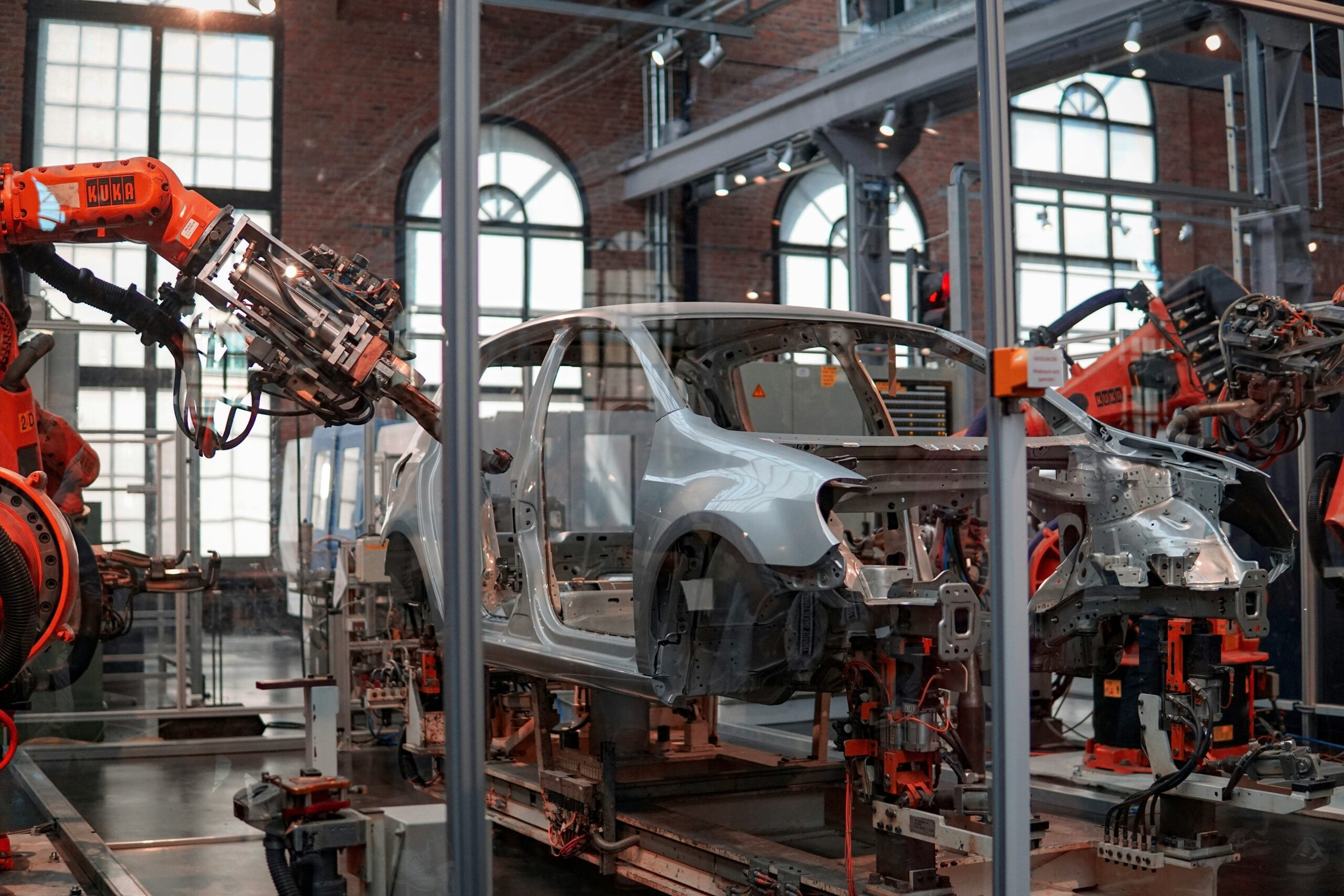
New digital tools also influence manufacturing quality and speed. Automated production lines supported by machine learning allow teams to reduce errors while improving efficiency. Predictive analytics guide maintenance schedules and boost long-term performance. Since today’s vehicles depend heavily on data flow, companies invest in cloud networks and secure processing to ensure reliable operation. Although challenges remain, these advancements push the automotive industry toward a more connected future.
Sustainability Shaping Modern Transportation
Climate concerns encourage manufacturers to shift toward low-emission solutions that support cleaner communities. Electric systems take center stage as improved battery capacity enables longer ranges and shorter charging times. Renewable energy sources help power stations and cities prepare infrastructure that supports healthy growth. Because environmental impact matters to consumers, organizations highlight responsible materials, efficient engines, and reduced waste across every development stage.
Sustainability also influences supply chains, urging companies to rethink sourcing, recycling, and production volume. Circular practices allow recovered metals and plastics to reenter manufacturing, reducing strain on natural resources. As regulatory expectations grow stronger, brands focus on compliance that aligns with planetary goals. These sustainable actions strengthen trust and position the automotive industry as a leader in climate-friendly innovation.
Electric Mobility Becoming Mainstream
Electrification speeds up as improved engineering boosts battery durability and charging convenience. Consumers now expect strong performance, quiet operation, and minimal environmental impact. Public agencies invest in broader charging networks that reduce wait times and reach rural communities. Because electric mobility reduces dependence on fossil fuels, it supports national goals for energy security and environmental balance.
Vehicle designers adopt lightweight frames and efficient systems that extend battery life. Smart charging stations communicate with vehicles to manage energy distribution and reduce peak grid load. As more models enter the market, drivers enjoy greater affordability and a wider variety of styles. With continued innovation, electric mobility strengthens the automotive industry’s reputation as a forward-thinking field.
Autonomous Driving Transforming Everyday Travel
Self-driving systems are gaining momentum as sensors, mapped routes, and real-time processing enable more reliable automation. These tools help reduce human-error-related accidents and improve traffic flow. Assisted features already available today show how autonomy can ease stress during commutes and support safer habits on busy roads. As these systems grow more advanced, drivers experience smoother interactions with surrounding vehicles and road infrastructure.
Commercial fleets also benefit from autonomous capabilities. Delivery routes become more consistent, transportation costs drop, and goods move with improved timing. Logistics firms explore partnerships with technology providers to scale these ideas. Although rules continue to evolve, the automotive industry recognizes autonomous driving as a powerful shift that will change both personal and commercial transportation.
Consumer Expectations Driving New Design Choices
Modern buyers prefer vehicles that blend digital convenience with dependable performance. Touchscreen panels, voice assistance, and remote monitoring support daily tasks while keeping routines simple. Comfort, safety, and customization remain major priorities, leading companies to refine interiors, suspension systems, and driver aids. With so many options available, clear value helps customers make confident decisions.
Design choices also reflect cultural trends that influence lifestyle needs. Spacious models appeal to families seeking reliable travel, while compact vehicles support urban drivers navigating tight spaces. Hybrid styles offer balance for those who want savings without fully switching to electric. As preferences shift, the automotive industry adapts quickly, ensuring design continues to meet diverse expectations.
Global Policies Influencing Industry Decisions
Government guidelines play a significant role in shaping the industry’s direction. Many regions introduce incentives encouraging electric adoption, cleaner fuel standards, and improved emissions controls. These policies guide long-term planning and often accelerate the release of innovative technologies. Companies respond by investing in research that meets evolving standards while maintaining affordability.
International agreements also encourage collaboration on environmental goals. Shared research, trade arrangements, and cross-border partnerships help manufacturers align strategies and reduce delays. Because policy changes affect pricing, production, and infrastructure, staying informed remains essential. These combined efforts position the automotive industry to support global sustainability while strengthening market growth.
Preparing for a Dynamic Automotive Future
As technology expands and environmental priorities intensify, companies refine strategies that support resilience and adaptability. Flexible planning helps teams respond to unexpected shifts such as supply disruptions or new consumer habits. Since digital features now play a central role, investment in software talent is just as important as investment in physical engineering.
Looking ahead, the automotive industry will continue to balance innovation with responsibility. Through sustainable systems, advanced technology, and global cooperation, the sector prepares for a future defined by smarter travel and reduced environmental strain. These ongoing changes allow both businesses and communities to benefit from progress that remains steady, thoughtful, and forward-focused.