The automotive industry continues to change at a remarkable pace. Manufacturers now face rising pressure from technology shifts, environmental concerns, and evolving customer expectations. Therefore, companies must respond quickly to stay competitive.
Traditional approaches no longer guarantee success in this environment. Instead, organizations now rely on innovation and flexibility. As a result, the entire industry continues to reshape itself around new priorities.
Consumers also expect more from vehicles than ever before. They want advanced features, better efficiency, and seamless digital integration. Consequently, automotive companies continue to redesign both products and services.
The Rise of Electric Transportation
Electric transportation continues to reshape global automotive markets. Many consumers now view electric vehicles as practical alternatives to traditional fuel-powered cars. Therefore, manufacturers continue to increase investment in electric mobility.
Battery improvements have significantly changed performance expectations. Drivers now enjoy longer ranges and faster charging options. Furthermore, charging networks continue expanding across urban and suburban areas.
Government policies also encourage this transition toward cleaner transportation. Because of these combined forces, electric vehicle adoption continues to grow. As a result, electric mobility now stands at the center of industry innovation.
Technology Redefines the Driving Experience
Technology now plays a central role in modern vehicles. Cars no longer function as simple machines but as connected digital platforms. Therefore, manufacturers continue integrating advanced software and smart systems.
Drivers now rely on digital tools for navigation, entertainment, and safety. Additionally, over-the-air updates allow vehicles to improve after purchase. These features create a more dynamic ownership experience.
Artificial intelligence also supports many driving functions. Smart systems assist with navigation, alerts, and performance optimization. Consequently, technology continues to reshape how people interact with vehicles.
Safety Innovation Becomes a Core Priority
Safety continues to be one of the strongest drivers of innovation. Manufacturers now invest heavily in systems that reduce accidents and improve driver awareness. Therefore, advanced safety features appear across more vehicle categories.
Driver assistance systems help monitor surroundings and respond to potential risks. Features like collision alerts and lane support continue to improve road safety. Furthermore, sensor technology provides more accurate real-time data.
Consumers now expect strong safety performance as a standard feature. Because of this expectation, manufacturers continue expanding safety technologies. As a result, safer vehicles are becoming more widely accessible.
Supply Chains Adapt to New Realities
Automotive supply chains have become more complex in recent years. Companies now focus on improving resilience and reducing disruptions. Therefore, they continue adjusting sourcing and logistics strategies.
Global challenges have highlighted the need for stronger supply systems. Many manufacturers now diversify suppliers to reduce risk. Additionally, businesses invest in better forecasting and inventory management.
Digital tools also improve coordination across supply networks. Companies now track materials and production more efficiently. Consequently, supply chains have become more responsive and data-driven.
Sustainability Shapes Industry Priorities
Sustainability now plays a major role in automotive decision-making. Manufacturers focus on reducing emissions and improving energy efficiency. Therefore, environmental responsibility has become a strategic priority.
Companies continue developing cleaner production methods and greener materials. These efforts reduce environmental impact while improving long-term efficiency. Furthermore, sustainability goals influence product design and manufacturing processes.
Consumers also support this shift toward greener solutions. Many buyers prefer brands that demonstrate environmental awareness. As a result, sustainability now influences both reputation and sales.
Changing Consumer Behavior Redesigns Sales Models
Consumer behavior continues to evolve in the automotive market. Buyers now rely heavily on digital research before making decisions. Therefore, companies continue adjusting their sales strategies.
Online platforms now play a major role in the purchasing journey. Customers compare features, pricing, and reviews before visiting dealerships. Additionally, digital tools make buying processes more transparent.
Flexible ownership models are also gaining popularity. Some consumers prefer leasing or subscription-based options instead of traditional ownership. Consequently, automotive companies continue experimenting with new business approaches.
Automation Reshapes Manufacturing Processes
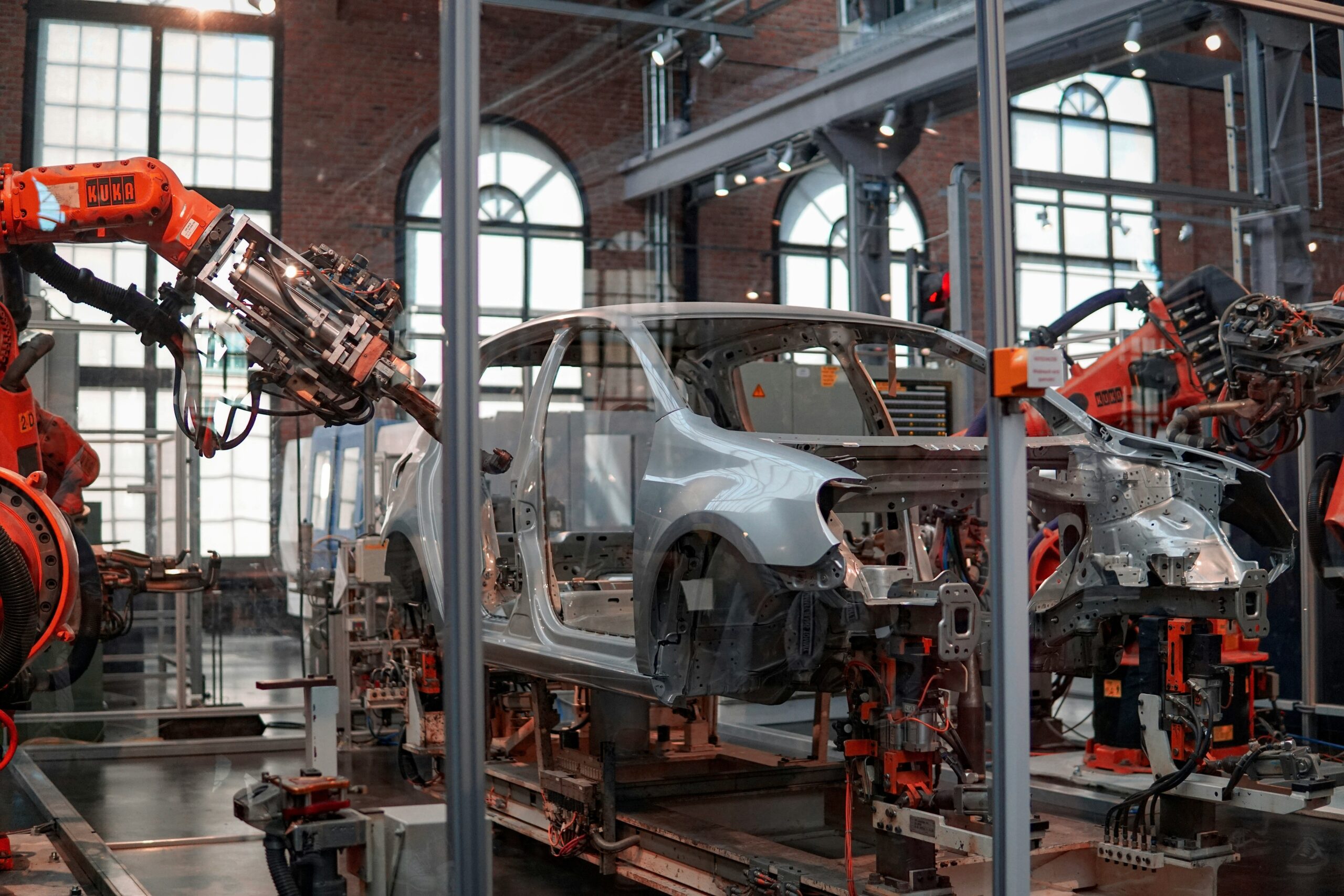
Automation continues to transform automotive production. Manufacturers now use robotics and smart systems to improve efficiency and consistency. Therefore, factories operate with greater precision than before.
Automated systems reduce production errors and increase output speed. They also allow companies to respond quickly to changes in demand. Furthermore, automation improves quality control across manufacturing stages.
Human workers still play an important role in modern factories. They collaborate with machines to maintain balance and efficiency. As a result, production systems continue to evolve into hybrid environments.
Data Becomes a Powerful Industry Tool
Data now influences nearly every decision in the automotive industry. Companies collect and analyze information from vehicles, customers, and production systems. Therefore, data has become a core business asset.
Manufacturers use data to improve design, performance, and customer experience. Additionally, connected vehicles generate valuable real-time insights. These insights help companies refine services and features.
Organizations that use data effectively often gain a competitive advantage. They respond faster to market changes and customer needs. Consequently, data-driven decision-making continues to grow in importance.
The Road Ahead for the Automotive Industry
The automotive industry continues to move toward a more connected and innovative future. Technology, sustainability, and consumer expectations all drive ongoing transformation. Therefore, companies must remain adaptable and forward-thinking.
Manufacturers that embrace innovation often achieve stronger long-term success. They also build better relationships with evolving customer demands. Furthermore, continuous improvement helps companies stay competitive.
The future of the automotive industry will depend on flexibility and innovation. Companies that adapt quickly will lead the next wave of transportation development. Ultimately, the industry will continue evolving as new trends redefine mobility.