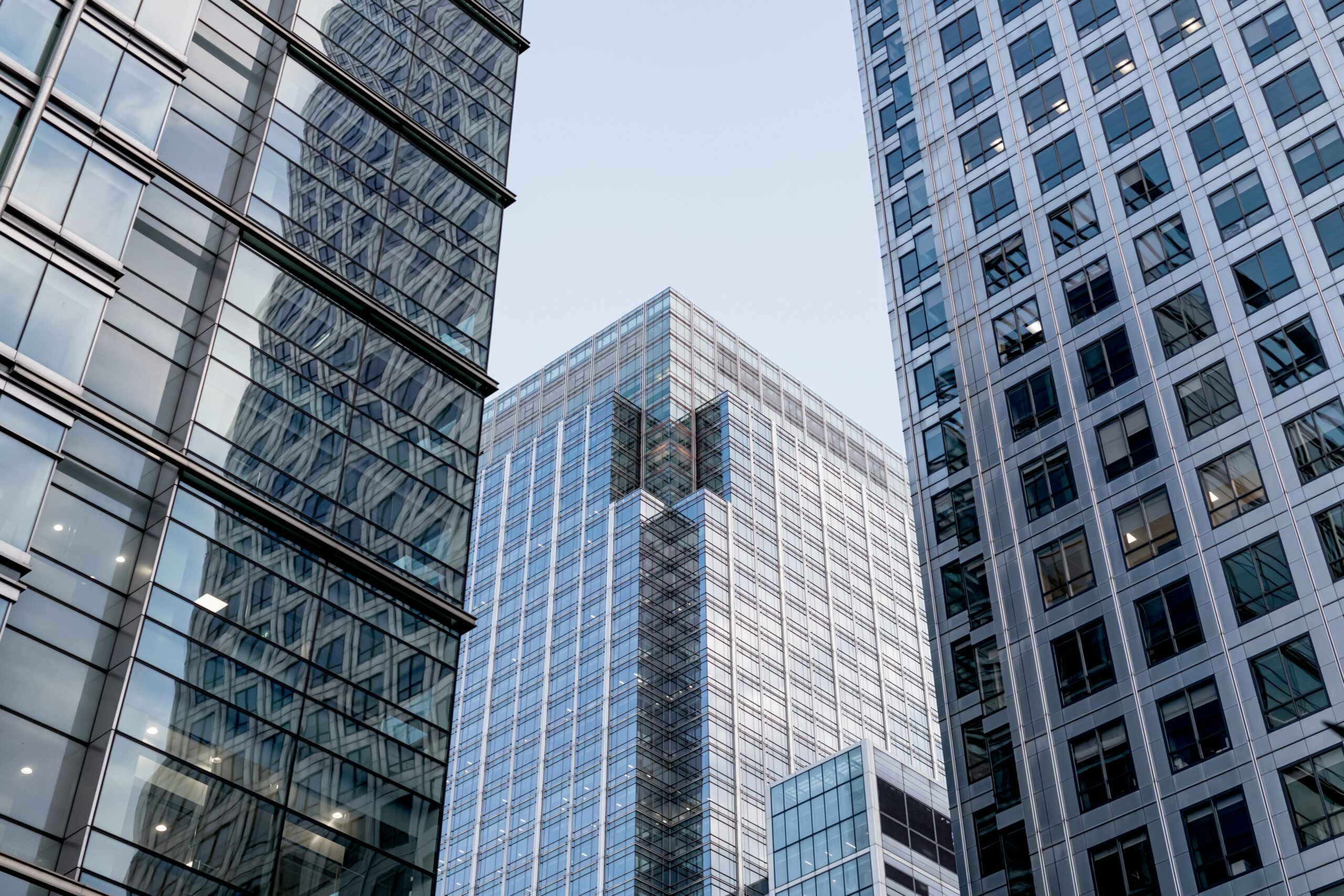
Commercial real estate is one of the most important parts of the global economy. It includes office buildings, shopping centers, warehouses, and rental spaces used for business. In 2026, this market is changing rapidly due to new technologies, shifting work habits, and economic pressures. Many investors are now focusing on commercial real estate trends for 2026 to understand where the market is heading. These trends help investors make better choices and reduce risks. At the same time, businesses are changing how they use space, which also affects demand. Remote work, online shopping, and smart buildings are shaping the future. Because of this, both new and experienced investors need to stay up to date. Clear knowledge can help avoid losses and find new chances. This article explains key trends, smart strategies, and useful insights. The goal is to help you understand the market. Whether you are a beginner or an expert, this guide will help you stay prepared.
Key Changes in Commercial Real Estate in 2026
The commercial real estate market in 2026 looks very different from what it was a few years ago. One major change is how people work. Many companies now use hybrid work models. This means fewer people go to the office every day. As a result, office demand has dropped in some cities. At the same time, flexible office spaces are growing in popularity. These spaces allow businesses to rent short-term offices. Another big change is the rise of e-commerce. Online shopping has increased the need for warehouses and logistics centers. These spaces are now in high demand. Retail spaces are also changing. Many shopping malls are turning into mixed-use areas. They now include offices, homes, and entertainment spaces. Technology is also playing a key role. Smart buildings use sensors and automation to save energy. This helps reduce costs and attract tenants. Climate change is another factor. Many investors now focus on green buildings. These buildings use less energy and follow eco-friendly rules. Governments also support such projects with benefits. All these changes are shaping the market in new ways.
Investment Strategies That Work in Today’s Market
Investing in commercial real estate in 2026 requires smart planning. Old strategies may not work anymore. One useful strategy is diversification. Investors should not put all their money into a single type of property. Instead, they should invest in different sectors, such as office, retail, and industrial. This helps reduce risk. Another strategy is focusing on high-growth areas. Cities with strong job growth and population increase often have better returns. Investors should also study local demand before buying property. Cash flow is very important. Properties that generate steady income are safer choices. Long-term leases with reliable tenants can provide stable returns. Technology is also changing investment methods. Many investors now use data tools to study the market. These tools help track demand, pricing, and risks. Real estate investment trusts (REITs) are also popular. They allow people to invest without buying property directly. Another key strategy is value-add investment. This means buying a property and improving it to increase its value. Renovation and better management can raise rental income. Investors must also keep an eye on interest rates. High rates can increase borrowing costs. Careful financial planning is necessary to avoid problems.
Emerging Property Types Gaining Attention
Some types of commercial properties are growing faster than others. Industrial properties are leading the market. Warehouses and distribution centers are in high demand. This is due to the growth of online shopping. Logistics hubs near cities are especially valuable. Data centers are another fast-growing sector. These centers store digital data and support cloud services. As technology grows, demand for data storage also rises. Healthcare real estate is also expanding. Clinics, hospitals, and senior living spaces are becoming important. An aging population increases the need for such facilities. Mixed-use developments are also popular. These projects combine residential, retail, and office spaces. They create a complete lifestyle area for people. Investors like these projects because they reduce risk. If one sector slows down, others can still perform well. Flexible office spaces are also gaining interest. Many startups prefer short-term rentals instead of long leases. This trend supports co-working spaces. Sustainable buildings are also attracting investors. Energy-efficient designs reduce long-term costs. These buildings also meet environmental rules. As a result, they are easier to lease. All these property types show how the market is evolving.
Market Risks and Challenges to Watch
Even though there are many opportunities, risks still exist. One major risk is economic uncertainty. Inflation and global issues can affect property values. High interest rates can reduce investor profits. Borrowing money becomes more expensive. This can slow down new projects. Another challenge is changing demand. Office spaces may remain weak in some areas. Investors must be careful when buying such properties. Tenant risk is also important. If tenants fail to pay rent, income will drop. Vacancy rates can increase in slow markets. Maintenance costs can also rise over time. Older buildings may need upgrades to stay competitive. Technology changes can also create risk. Buildings without modern features may lose value. Environmental rules are becoming stricter. Properties that do not meet these rules may face penalties. Location risk is another factor. Some areas may lose demand due to population shifts. Investors must study market data before making decisions. This is why understanding commercial property investment strategies is very important. Good planning can help reduce these risks. Careful research and strong management can protect investments.
Future Market Insights and Growth Outlook
The future of commercial real estate looks mixed but promising. Some sectors will grow faster than others. Industrial and logistics properties are expected to stay strong. Demand for storage and delivery centers will continue. Technology-driven spaces, such as data centers, will also expand. Office spaces may recover slowly. Flexible work models will shape their future. Retail spaces will continue to evolve. Experience-based shopping will replace traditional stores. Investors must adapt to these changes. Sustainability will play a big role in future growth. Green buildings will become more valuable. Governments may introduce more rules to support eco-friendly projects. Digital tools will also improve market analysis. Investors can make better decisions with real-time data. Global investment may increase as markets stabilize. However, risks will remain. Economic conditions will affect growth patterns. Smart investors will focus on long-term value. They will choose properties with strong demand and stable income. Understanding the future of commercial real estate will help investors stay ahead. Staying informed and flexible is the key to success in this changing market.