The automotive industry trends shaping the future of mobility continue to redefine how people travel, connect, and experience transportation. Today, mobility goes far beyond moving from one place to another. It reflects innovation, sustainability, and digital transformation. As a result, automakers, technology companies, and governments work together to build smarter and more efficient systems.
At the same time, consumer expectations evolve quickly. People now expect cleaner energy, seamless connectivity, and personalized driving experiences. Therefore, companies must adapt to these changes to stay competitive. In this article, we explore how automotive industry trends are shaping the future of mobility and transforming the global transportation landscape.
Electrification Driving the Future of Mobility
Electrification stands at the center of automotive industry trends. Electric vehicles continue to grow in popularity as people seek eco-friendly alternatives. Moreover, governments support this shift through incentives and stricter emission policies. Because of this, automakers invest heavily in battery technology and charging infrastructure.
In addition, improved battery performance increases driving range and reduces charging time. As a result, electric vehicles become more practical for everyday use. Furthermore, this shift reduces reliance on fossil fuels and lowers environmental impact. Therefore, electrification plays a key role in shaping the future of mobility.
Autonomous Technology Transforming Transportation
Autonomous driving technology represents another major force in automotive industry trends. Vehicles now include advanced driver assistance systems that improve safety and convenience. For instance, features such as lane guidance and adaptive cruise control reduce driver stress. Consequently, driving becomes safer and more efficient.
Meanwhile, developers continue to test fully autonomous systems. Although challenges remain, progress moves quickly. In the future, autonomous vehicles could reduce accidents and improve traffic flow. Thus, this innovation will transform how people interact with transportation systems.
Connectivity Creating Smart Mobility Ecosystems
Connectivity continues to shape modern mobility solutions. Vehicles now connect with smartphones, cloud platforms, and infrastructure. As a result, drivers can access real-time navigation, entertainment, and vehicle diagnostics. As a result, the driving experience becomes more interactive and convenient.
Furthermore, connected systems allow vehicles to communicate with each other and their surroundings. This communication improves traffic management and reduces congestion. In addition, automakers use data to enhance performance and understand user behavior. Therefore, connectivity plays a vital role in automotive industry trends.
Digital Transformation Redefining the Automotive Experience
Digital transformation continues to reshape the automotive industry across production and the customer experience. Companies use artificial intelligence, data analytics, and cloud computing to improve efficiency. As a result, manufacturers streamline operations and reduce costs.
At the same time, digital tools enhance customer journeys. Buyers can research, compare, and purchase vehicles online. Moreover, over-the-air updates allow vehicles to improve over time. Therefore, digital transformation strengthens innovation and supports long-term growth.
Sustainability Influencing Industry Direction
Sustainability remains a key driver behind automotive industry trends. Consumers now value environmentally responsible products. Because of this, automakers focus on reducing emissions and using sustainable materials. In addition, companies are adopting renewable energy in their manufacturing processes.
Furthermore, sustainability efforts extend beyond vehicles. Manufacturers aim to reduce waste and improve resource efficiency. As a result, they support a circular economy. Therefore, sustainability influences both production and consumer choices in the future of mobility.
Mobility as a Service Changing Ownership Models
Mobility as a service continues to reshape how people access transportation. Instead of owning vehicles, many consumers prefer flexible options such as ride sharing and subscriptions. As a result, this trend reduces the need for personal car ownership, especially in urban areas.
At the same time, automakers explore new business models. They invest in mobility platforms and services to reach broader audiences. Consequently, companies generate recurring revenue streams. Therefore, mobility as a service becomes an essential part of automotive industry trends.
Advanced Manufacturing Supporting Innovation
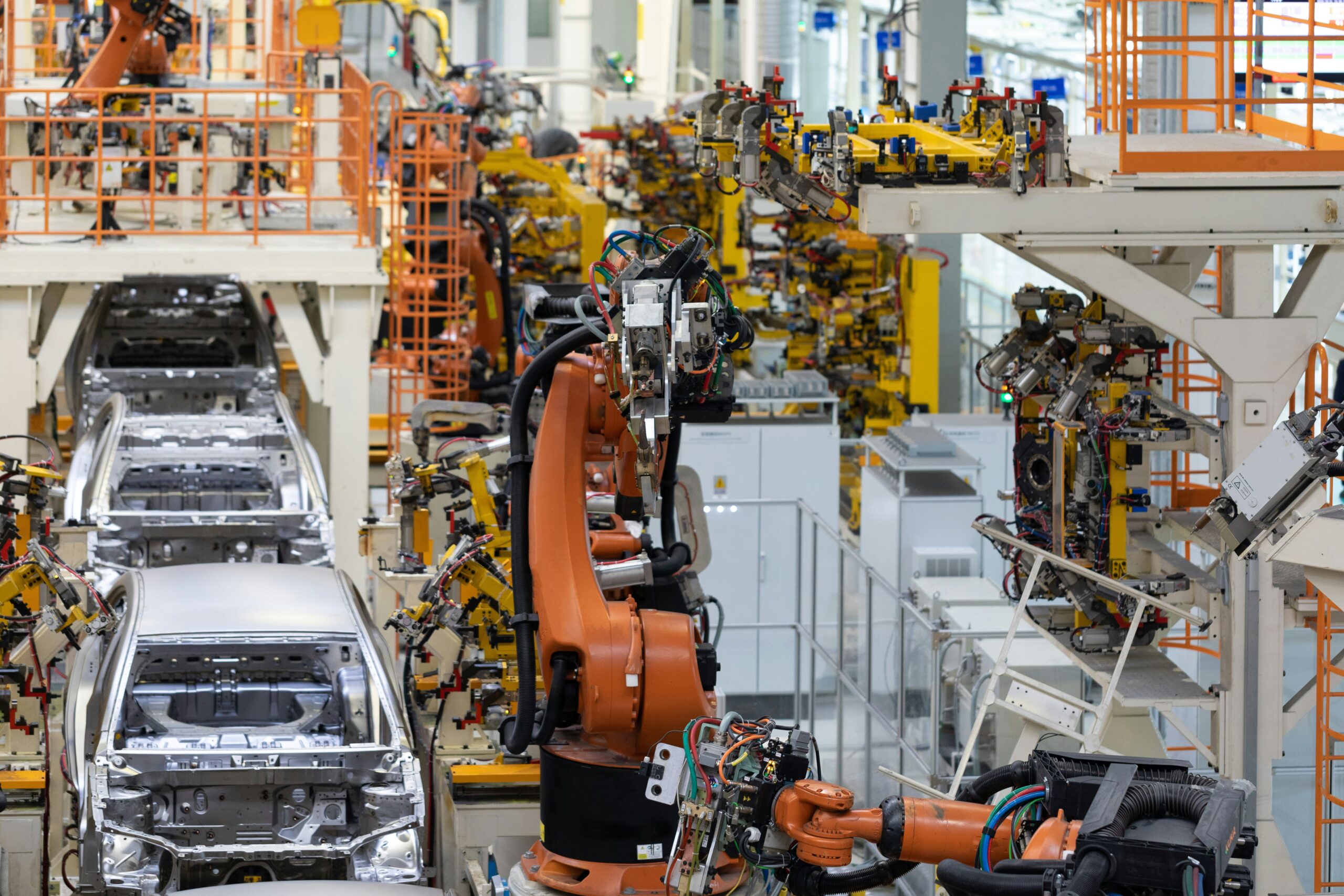
Advanced manufacturing technologies improve efficiency and enable innovation in the automotive sector. Smart factories use robotics and real-time data to optimize production. As a result, manufacturers maintain high-quality standards while reducing waste.
Moreover, flexible production systems allow companies to adapt quickly to market changes. This adaptability supports the development of electric and autonomous vehicles. Therefore, advanced manufacturing strengthens the industry’s ability to innovate and grow.
Artificial Intelligence Enhancing Vehicle Intelligence
Artificial intelligence continues to transform how vehicles operate and interact with users. AI systems analyze data to improve safety, navigation, and performance. For example, predictive maintenance helps identify issues before they become serious problems. As a result, vehicles become more reliable.
In addition, AI supports personalization. Vehicles learn driver preferences and automatically adjust settings. Consequently, users enjoy a more comfortable and tailored experience. Therefore, AI plays a crucial role in shaping the future of mobility.
Supply Chain Evolution and Global Impact
Automotive industry trends also influence global supply chains. Companies face challenges such as resource shortages and geopolitical changes. Because of this, manufacturers focus on building resilient and flexible supply networks.
Furthermore, digital tools improve supply chain visibility. Companies can track components and respond quickly to disruptions. As a result, they maintain production stability. Therefore, supply chain innovation remains critical for future growth.
Consumer Expectations Driving Innovation
Consumer behavior continues to shape automotive industry trends. Buyers now prioritize sustainability, technology, and convenience. Because of this, automakers must deliver products that meet these expectations.
Moreover, younger generations prefer digital experiences and flexible mobility solutions. As a result, companies invest in personalization and connectivity. Therefore, understanding consumer needs helps businesses stay competitive and innovative.
Collaboration Accelerating Industry Growth
Collaboration between automotive and technology companies accelerates innovation. Partnerships allow organizations to share expertise and resources. As a result, they develop advanced solutions more efficiently.
In addition, collaboration supports the creation of integrated mobility ecosystems. Companies work together to build smarter infrastructure and connected services. Therefore, partnerships play a key role in shaping the future of mobility.